
Finding Space Away From Digital Noise
Claire Martin Luxton | JAN 25, 2025
This is a personal story where I show you how I, too often, remain "plugged in". Although as a society we are now much more aware of how much digital noise is contributing to overwhelm, stress, anxiety, depression, among many other mental health conditions, in this article, I'm only addressing the "habit" that has been formed around the amount of time we find ourselves on our devices. This is no way takes away from how useful and at times essential being connected is, especially when faced with isolating circumstances as we did during the Covid pandemic. I merely offer an insight into how we might raise awareness to help find balance in how much we bring the digital world into our day-to-day life. I hope you find it helpful!
The long-awaited holiday
We were going on holiday... It was so very welcome after a pretty overwhelming year of intense stress, with a big move back to Portugal, my childhood country. We made the decision to leave our beautiful home in Ireland, our eco-project and special friends. We found ourselves wrestling the unexpected problems of selling our house and trying to buy a new one. Attempts to rationalise months of worry amounted to nothing as we continued to agonise over an upcoming travel plan with a caravan, 2 dogs and 2 cats. I did my best to make it all appear seamless as I re-started my business from a cold, damp outbuilding on the side of our new garden. We tried unsuccessfully to settle the cats who were clearly unhappy with the move and who, for months, repeatedly used our couches as their toilet. Sitting disheartened in our new bedroom that was slowly turning black and green with damp and mould, we realised that our 180-year old Irish cottage had actually been much drier and less problematic...
It had been a lot more overwhelming than we anticipated. Still, it was the right decision. We were delighted to be back. However, after a few months of being here, we felt that we needed to get away from it all...
So I relished the thought of being able to leave behind my laptop and put my phone on airplane mode for most of our holiday. I was horrified to find that the reality of it was quite the opposite. As I sat in the charming and idyllic setting of the refurbished mill-house where we were staying for a few days, looking up at the beautiful green, leafy trees, listening to the gentle hum of insects flitting about, with the balmy warmth of the air enveloping me, I couldn't understand why I was wondering where my phone was, wanting to check for a message or an email, even feeling the absence of my laptop. Why? WHY??? This peace and tranquility, this opportunity to detach from everything completely... After months of intense stress, I'd been longing for it. What was wrong? Why couldn't I stop this almost magnetic pull towards my phone?
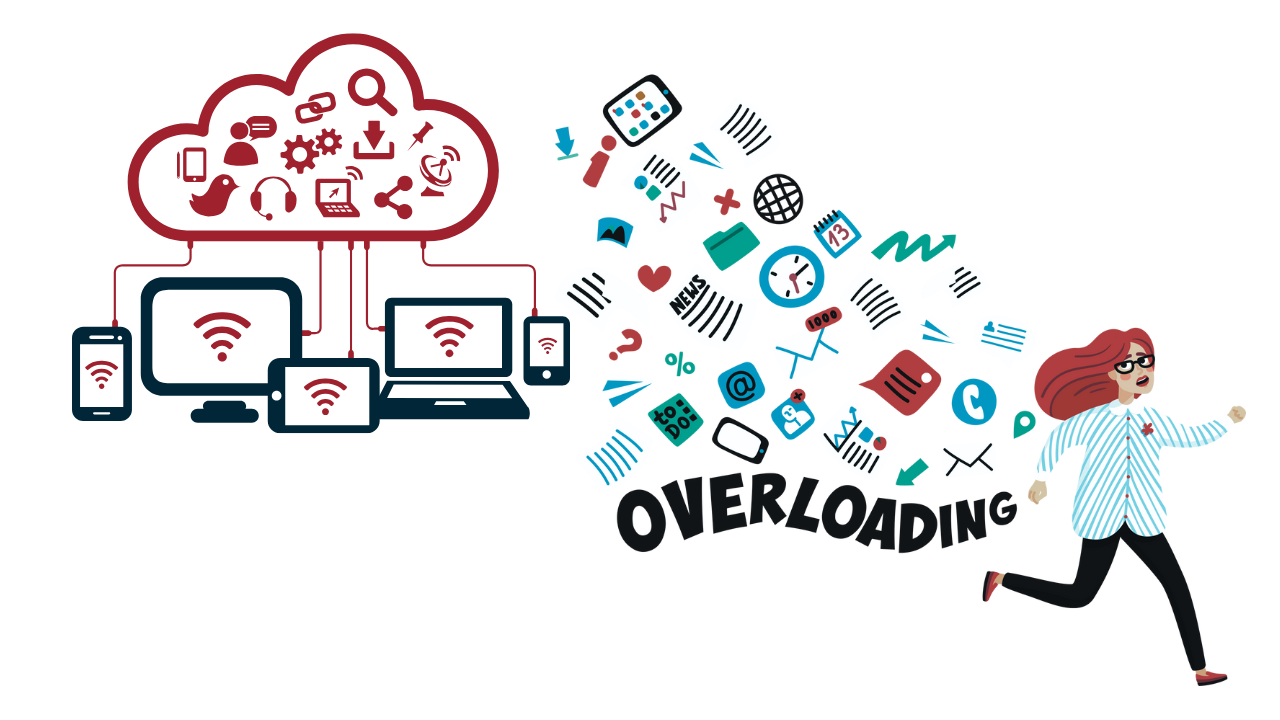
The invisible pull of the "scroll"
I'm usually very good at pushing the virtual world aside. A lot of the time, I find it invasive. This constant availability of news, information and nonsense at our fingertips, every second of every day and night, and the incessant pinging that seems to go along with it. My phone is now set to silent most of the time. My family knows that if there's an emergency they can reach me on the house phone - a number that I've shared with no one else. And yet, at times, I still fall into the dark digital abyss of being "plugged in", and I cannot claw my way out. The invisible pull somehow takes over and, before I know it, I've been absent-mindedly scrolling through "rubbish" for at least 25 minutes.
What used to be a luxury of being able to jump onto the internet has now turned into a necessity. Organisations have made the switch to the extent that most of life can only be managed now through websites and apps. You can even take care of your wellbeing online (I recognise that most of what I offer is in fact...online). The mere thought of losing a phone or device can even cause complete panic for some. So how can we be expected to find a balance if so much of life happens in this virtual space?
Ideally, I prefer to buy a newspaper, check for my facts in a physical book, have a spoken conversation with my friends and family, and generally have a more tangible relationship with the world. However, I also choose the opportunity to surf the internet, get my answers right now, and send a quick text or Whatsapp message.
The power of habits (and the ability to form new ones)
We sometimes forget that we are still in control. The pull that I experienced last year on my holiday is a habit that I have formed. A lot of repetitive behaviour is sustained by the habit that is wrapped around it. Therefore, in the same way, we can create new healthy habits that help to balance the amount of time we interact with our devices. We can make healthy digital choices. If you recognise and feel that you are spending too long being "plugged in", you have the power to change that. It doesn't mean that you have to stop it altogether. But you can choose to bring mindful moments into your day to give yourself a break from that constant digital noise.
For example:
- Take mindful breaks: Set an alarm at key points throughout your day to step away for 5 to 10 minutes (without your phone!) - go outside, sit with a cup of tea, look out of the window, walk in nature - whatever is available to you.
- Switch off before bed: Rather than using your phone or watching television right up until you go to sleep, could you read a book for a while, write in your journal, do a meditation, or take a few mindful stretches or breaths?
- Try something new that is non-digital: Think of how people lived before the digital age and use them as a source of inspiration. Take up a sport, dance class, creative art, join a book club, knitting club etc.
What I've done in my life to unplug
My business is mostly online. It's what suits me and it's my choice. I practise yoga online - it's important to me that I have access to my teachers who are based in different countries. In addition, I do some socialising online, keeping in touch with friends and family over Whatsapp, Facebook and Instagram. So in order to ensure I don't spend my whole day plugged in:
- My daily pauses include walking my dogs, and taking frequent mindful breaks to step outside and breathe (often with a cup of tea)
- On a weekly basis I paint, do gardening, attend a dancing class, sing in a choir, volunteer at a dog shelter, and my next new activity is to find a knitting circle!
You don't need to do anywhere near as much. Starting with just one new practice will already help you to form a different habit. The most important is that you make whatever choices and changes you feel are manageable and suited to your personal circumstances, so that you can achieve a balance that helps you disconnect or unplug for a little while during your day.
To delve deeper into this subject and get additional tips on how to balance your digital needs, I offer a short masterclass in my membership platform. Click below to find out more:
Claire Martin Luxton | JAN 25, 2025
Share this blog post



Claria Yoga Life
 OfferingTree